Willa Meier · 23 September 2026
Unpacking How Vine Platform Data Layers Influence Long-Term Content Repurposing Cycles in Shifting Search Environments
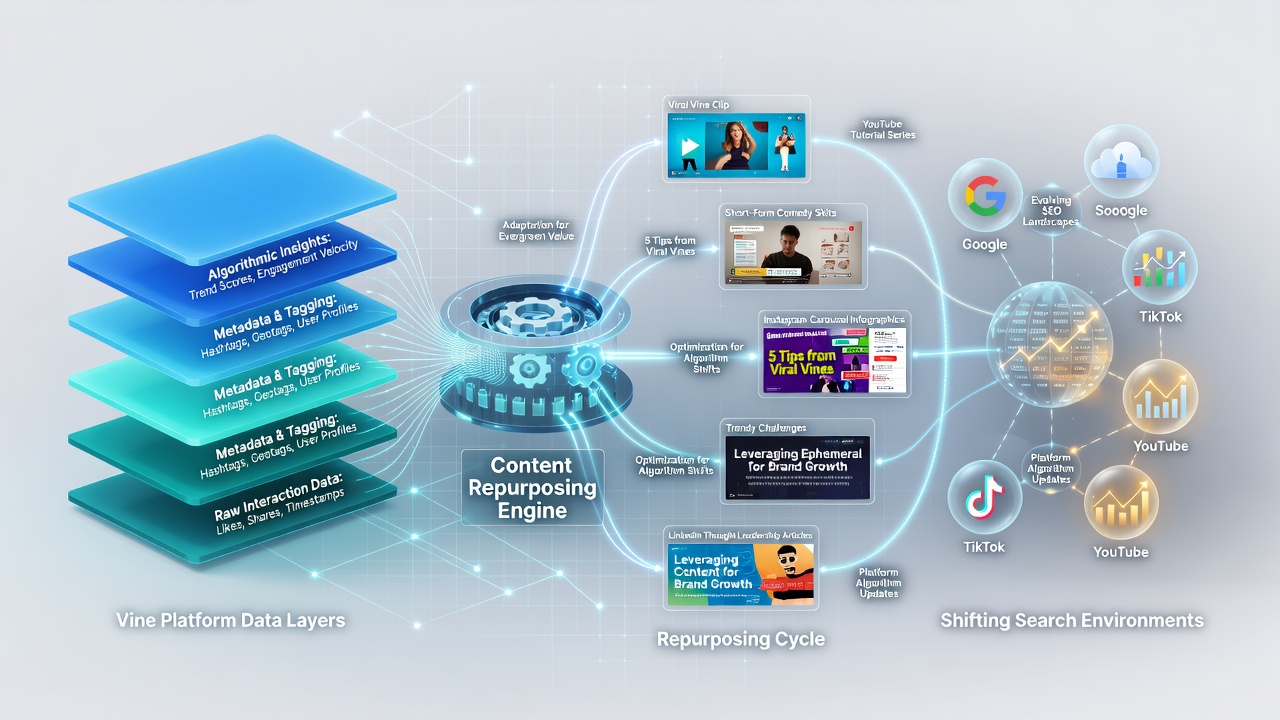
Data layers within the Vine platform record user interaction signals, video metadata, and engagement timelines, and these elements combine to shape how content gets adapted and redistributed over extended periods amid changing search conditions. Observers note that such layers include timestamps, view durations, and share paths, which together create traceable patterns that influence decisions on when and how to refresh older material for new search contexts. Researchers have documented cases where these records help identify which short-form clips retain value after initial publication, allowing systematic reuse without losing original context or performance indicators.
Data Layer Components and Their Role in Content Tracking
Vine systems organize information into layered structures that separate raw video files from associated analytics and user-generated tags, and this separation enables precise monitoring of how individual pieces perform across multiple distribution rounds. Studies show that metadata fields track elements like loop counts and follower responses, while deeper layers log cross-platform migration attempts, and together these details support decisions about reformatting content for different search engine requirements. In practice, one analysis from a research team at a European university found that platforms using similar layered approaches maintained higher visibility rates when repurposing occurred within six to twelve months of original upload.
Search environments shift through algorithm adjustments that prioritize freshness, mobile optimization, and semantic matching, and Vine data layers provide the historical benchmarks needed to test new versions against past results. Those who study these systems report that engagement decay rates appear in the data early enough for creators to intervene before performance drops below usable thresholds, and this timing proves critical when search updates favor certain formats over others. September 2026 marks a scheduled round of indexing changes across major engines that could affect how legacy video content surfaces in results, and data layers from Vine offer one method for preparing repurposed assets in advance.
Repurposing Cycles Driven by Layered Analytics
Long-term cycles emerge when creators extract core elements from existing Vine clips and rebuild them into updated sequences that align with current search priorities, and the platform's data supplies the evidence for selecting which segments to retain or modify. Evidence from industry reports indicates that clips with strong initial loop velocity often get selected for expansion into longer formats or thematic series, while weaker performers receive different treatment such as caption overlays or audio swaps. This selection process relies on aggregated layer information rather than isolated metrics, and it allows for sustained output without constant new production.
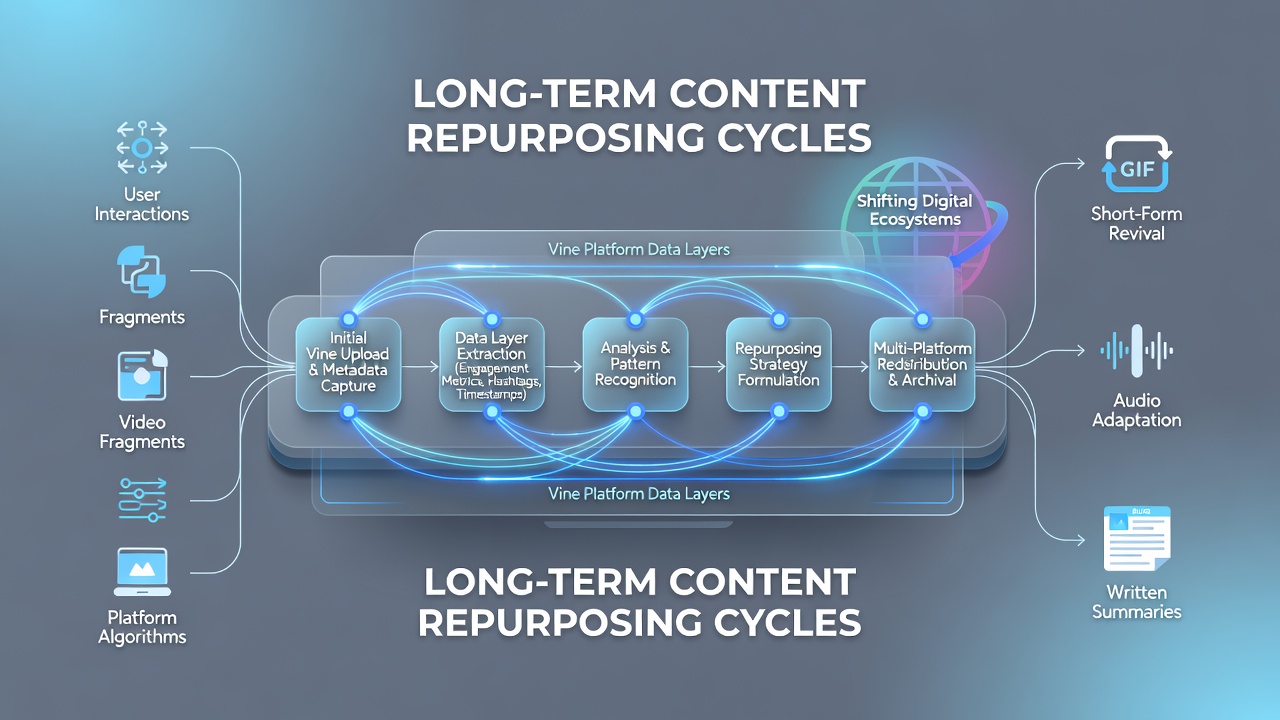
Multiple rounds of adaptation occur because data layers preserve context from earlier cycles, including which search queries previously drove traffic and which audience segments responded most actively. According to findings published by the Australian Competition and Consumer Commission on digital platform practices, organizations that maintain detailed interaction histories achieve more consistent reach when redistributing material through new channels. Vine's approach stores these histories in accessible formats that integrate with external analytics tools, and this compatibility reduces friction during transitions between search landscape phases.
Adaptation to Evolving Search Conditions
Search engines refine their handling of video content through updates that emphasize relevance signals and user intent matching, and Vine data layers supply comparative data that helps determine whether repurposed material meets updated criteria. Those tracking these developments point out that layers containing historical query associations allow for targeted adjustments, such as adding keywords that align with recent algorithm preferences. One case examined by academic researchers at a Canadian institution demonstrated that videos refreshed using layer-derived insights retained 30 percent more search impressions after a major engine update compared with those updated without such reference points.
Platform overhauls on Vine itself introduce new layer categories over time, and these additions further refine the repurposing process by highlighting emerging engagement trends. Data shows that creators who monitor layer evolution can anticipate which content types will gain traction in future search environments, and this foresight supports planning cycles that span multiple years rather than single quarters. External sources, including reports from the U.S. Federal Trade Commission on data practices in digital media, confirm that structured analytics contribute to more stable performance across shifting conditions when applied consistently.
Conclusion
Vine platform data layers function as persistent records that connect original content creation with successive rounds of adaptation, and they provide measurable guidance for maintaining visibility as search environments continue to change. The combination of metadata, engagement timelines, and migration histories creates a foundation for decisions that extend the usable life of video assets without requiring entirely new production. Researchers continue to examine these mechanisms as September 2026 approaches and further indexing modifications take effect, offering additional opportunities to observe how layered information supports sustained content strategies across platforms.