Jakob Hartmann · 9 September 2026
Navigating Semantic Shifts in Content Ecosystems After Platform Overhauls
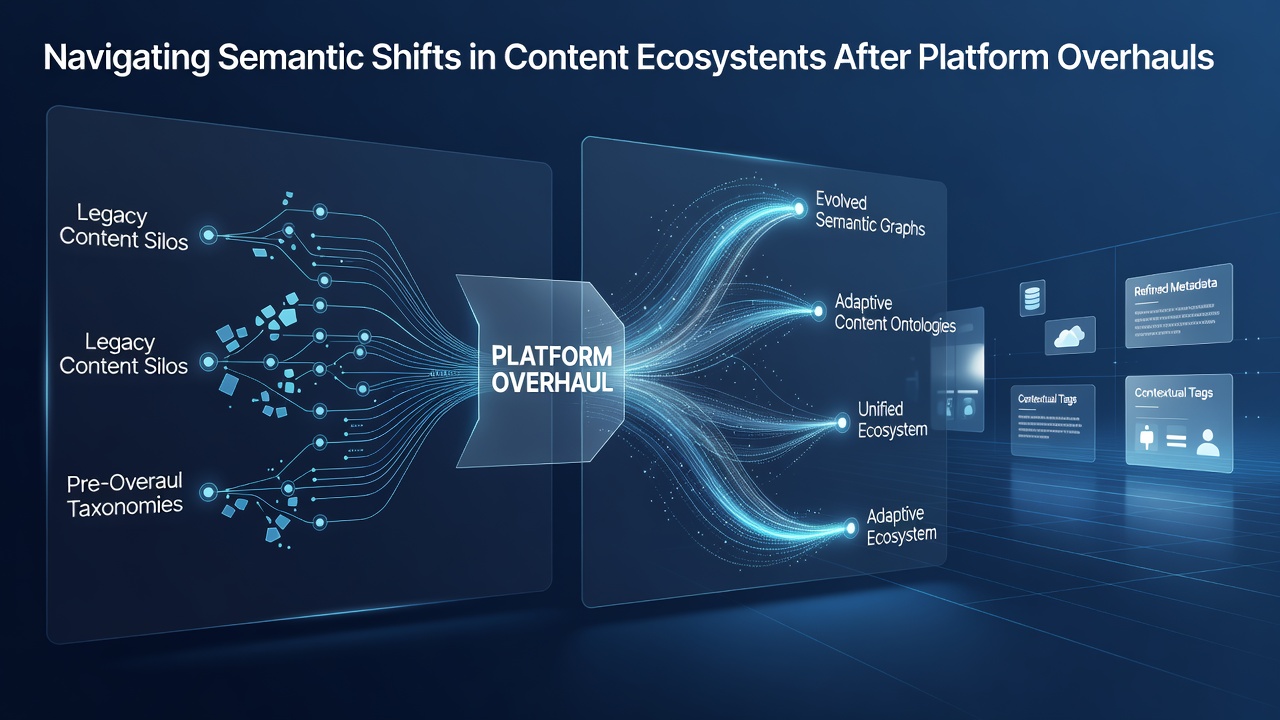
Platform overhauls frequently trigger semantic shifts where the meaning and context of content evolve within digital ecosystems, and researchers track these changes through data on user interactions plus indexing patterns. According to reports from the European Commission on digital services, such transformations alter how search engines and social networks interpret keywords, topics, and relationships between pieces of information. Observers note that when major platforms introduce new ranking factors or content policies, the semantic weight assigned to specific terms can increase or decrease, which forces content creators to reassess their approaches without relying on outdated assumptions about visibility.
Defining Semantic Shifts in Digital Contexts
Semantic shifts occur when the interpretation of words, phrases, or themes changes because platforms update their underlying systems for processing language and user signals. Data from academic studies at institutions like Stanford University reveal that these adjustments often stem from modifications in machine learning models that handle natural language understanding. Those who analyze content performance find that a term once associated with commercial intent might later align more closely with informational queries after an overhaul, while related concepts gain prominence through new association rules. This process unfolds gradually yet accelerates during large-scale updates, and evidence suggests it affects ecosystems ranging from search results to recommendation feeds on various services.
How Platform Overhauls Drive These Changes
Platform overhauls introduce new algorithms or policy frameworks that reshape content classification, and figures from industry analyses show measurable impacts on traffic distribution within months of implementation. Researchers discovered that updates to core systems can prioritize freshness signals or entity recognition, which in turn modifies the semantic landscape for existing articles and media. One case involved a major search provider revising its handling of topical authority, after which certain long-form resources experienced shifts in ranking because the platform began weighting contextual links differently. People who monitor these events observe that the ball remains in the content manager's court to adapt metadata and structure, although direct control over the platform's decisions stays limited.
Observing Patterns Across Multiple Ecosystems
Patterns emerge consistently across search, social, and content distribution platforms when overhauls take place, and studies indicate that semantic drift appears most pronounced in high-volume verticals such as news, health, and technology. Data shows that user engagement metrics feed back into these systems, creating feedback loops where popular interpretations reinforce new meanings. Those who've examined post-update reports note examples where ambiguous phrases gained clarity through added disambiguation layers, whereas previously dominant synonyms lost ground. What's interesting is how these dynamics vary by region, with regulatory influences from bodies like the Australian Competition and Consumer Commission prompting platforms to disclose more about their ranking logic, which indirectly highlights emerging semantic priorities.
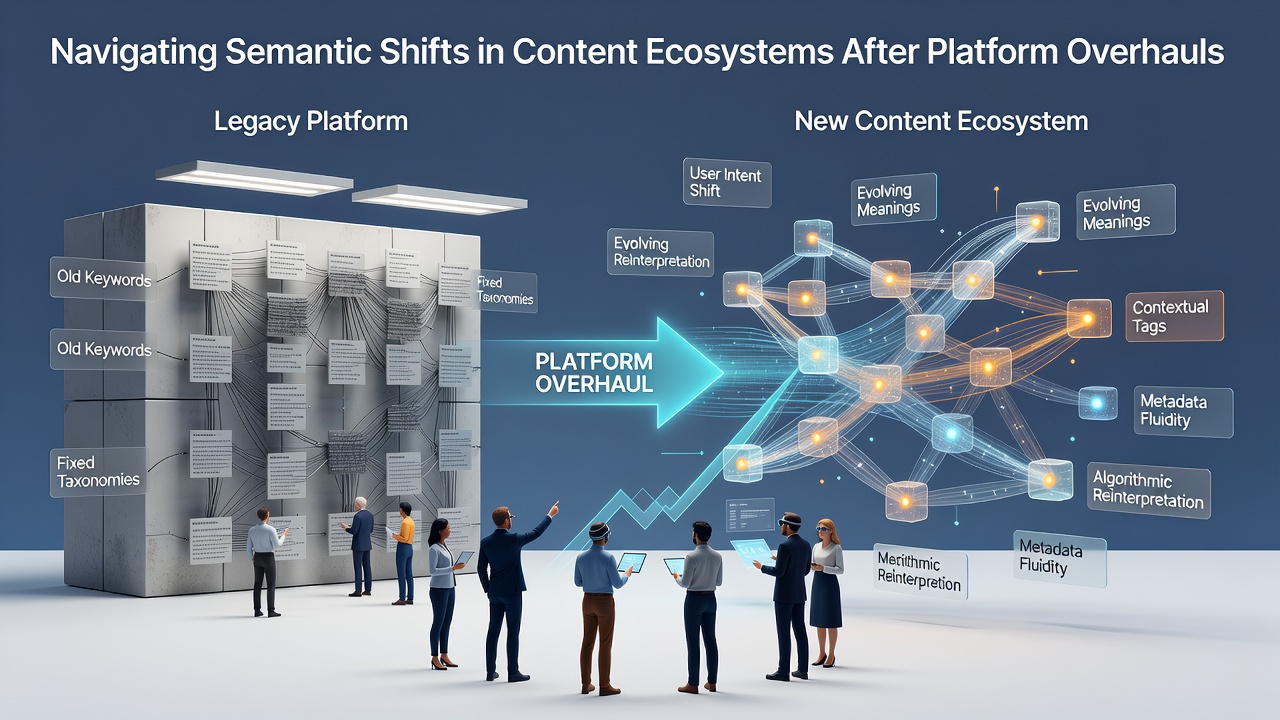
Content ecosystems respond through adjustments in categorization and linking practices, while experts continue to track these responses via longitudinal data sets. Research indicates that successful navigation often involves monitoring changes in query intent data released periodically by platforms themselves. Observers note that September 2026 may bring additional scheduled reviews to several major systems, based on announced timelines from technology firms, which could introduce further layers of semantic recalibration across affected domains.
Methods for Tracking and Adapting to Shifts
Teams track semantic shifts by combining internal analytics with external benchmarks, and this approach yields clearer pictures of how content meaning evolves. Tools that aggregate search trend information help identify when associations between entities strengthen or weaken, according to findings from research institutions focused on information retrieval. Those who apply structured monitoring discover that regular audits of top-performing pages reveal early indicators of drift, such as altered click patterns or dwell time distributions. But here's the thing: adaptation requires updating not only keywords but also the broader contextual framing within which content appears, since platforms evaluate entire clusters of related material during indexing cycles.
Case Examples from Recent Overhauls
Recent overhauls provide concrete illustrations of semantic navigation in practice, and one documented instance involved a video platform revising its recommendation engine, after which topic clusters around educational content expanded while entertainment-focused terms contracted in influence. Figures reveal corresponding adjustments in how creators optimized titles and descriptions to match the new weighting. Another example from enterprise content platforms shows entity-based linking gaining traction post-update, with organizations reporting improved alignment between their materials and user expectations once they incorporated fresh relationship mappings. People who've reviewed these cases emphasize the value of cross-referencing multiple data sources to confirm the direction of semantic movement rather than reacting to isolated metrics.
Conclusion
Platform overhauls continue to reshape semantic frameworks within content ecosystems, and ongoing observation remains essential for maintaining relevance. Research indicates that proactive monitoring combined with flexible content structures supports sustained performance amid these transitions, while diverse data inputs from regulatory disclosures and academic sources help ground adaptation efforts in observable trends. As systems evolve further into 2026 and beyond, the capacity to interpret shifting meanings will determine how effectively content maintains its position within interconnected digital environments.